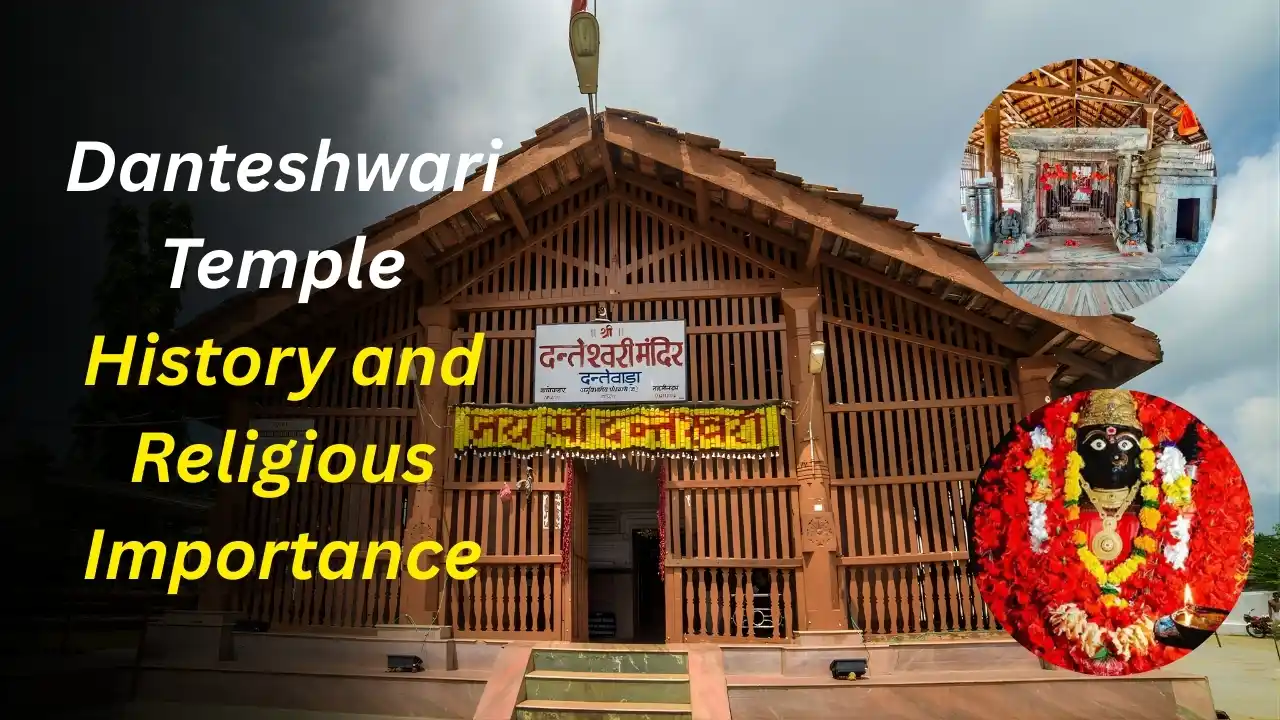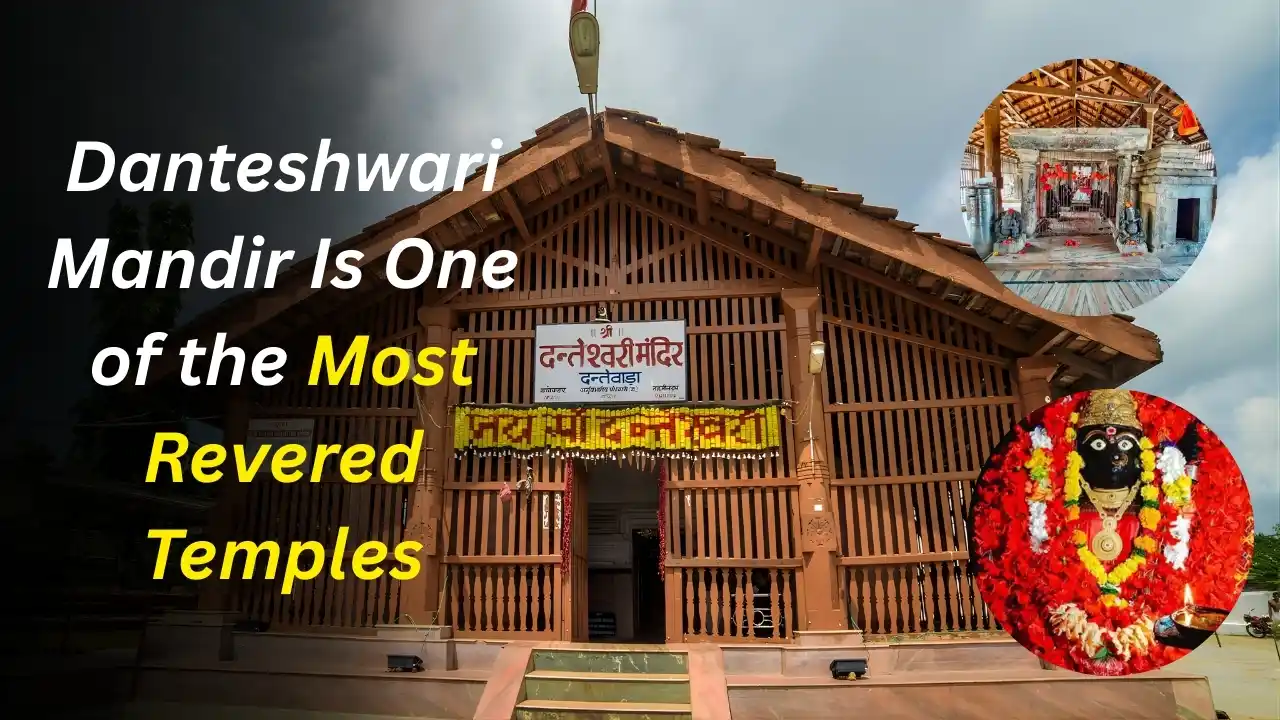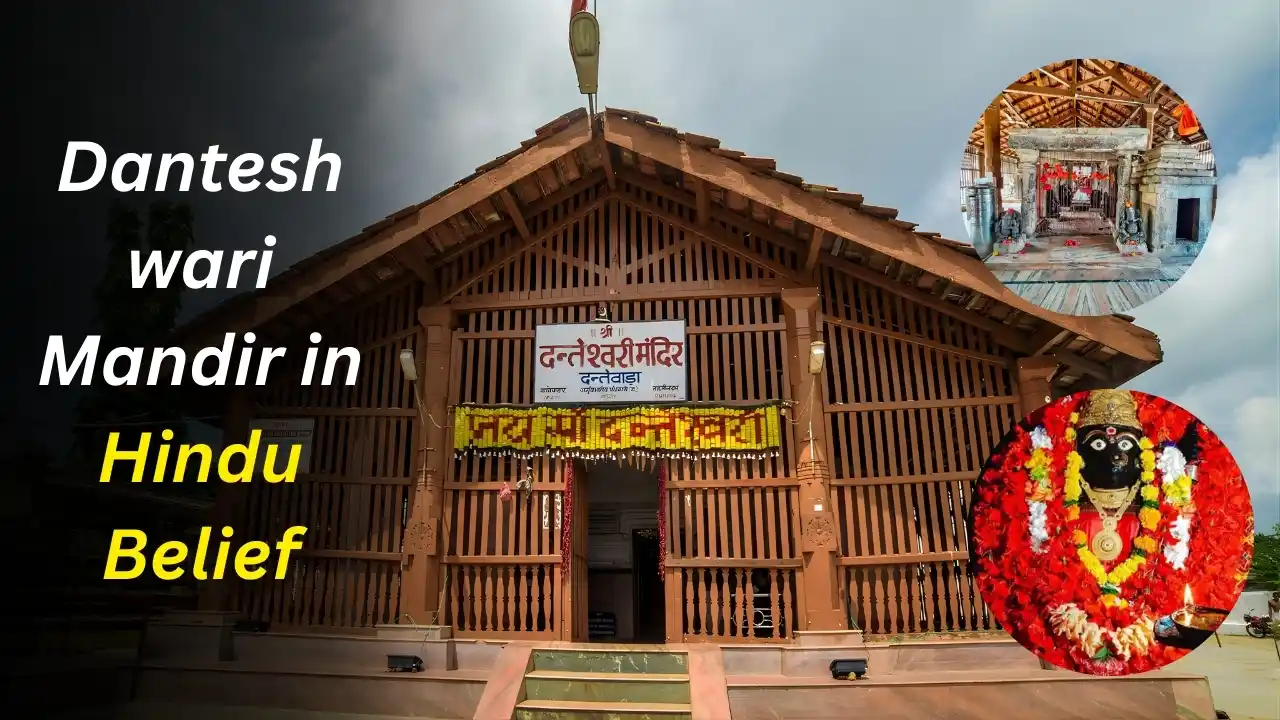
Danteshwari Mandir is one of the most respected and ancient temples in Chhattisgarh. Devotees often ask an important question: Who built Danteshwari Mandir and how did it become such a powerful spiritual center?
The answer lies in a combination of mythology, royal devotion, and centuries of continuous worship.
This temple is not only a religious monument but also a symbol of faith that has shaped the identity of the Bastar region.
Ancient Origins of Danteshwari Mandir
The spiritual origin of Danteshwari Mandir dates back to ancient times. According to belief, the temple site became sacred due to its association with Goddess Sati, whose tooth is said to have fallen here. This event sanctified the land long before any permanent structure was built.
Initially, worship at this sacred spot may have been simple and symbolic, guided by faith rather than architecture. Over time, as devotion grew, a permanent temple structure was established.
Role of the Kakatiya Rulers
Historical traditions attribute the construction and formal development of Danteshwari Mandir to the Kakatiya dynasty, who once ruled the Bastar region. These rulers were devoted followers of Maa Danteshwari and regarded her as their royal family deity.
The Kakatiya kings played a major role in building and strengthening the temple structure, establishing daily worship rituals, and protecting the temple’s sanctity. Their patronage transformed the temple into a central religious institution of the region.
Royal Patronage and Temple Expansion
Under royal protection, Danteshwari Mandir received continuous care and expansion. The rulers ensured that the temple remained active as a spiritual center, with priests appointed for regular rituals and festivals organized with grandeur.
Royal involvement also helped preserve ancient traditions that continue even today. Many temple customs reflect the discipline and devotion followed by the ruling families of Bastar.
Why the Temple Was Built at Dantewada
The location of Danteshwari Mandir at Dantewada holds deep spiritual meaning. The belief that this land is a Shakti Peeth made it a natural choice for building the temple. Over time, the settlement around the temple grew, and the town itself came to be known as Dantewada, named after the goddess.
This close relationship between the temple and the town shows how religious faith influenced regional development.
Architectural Simplicity and Spiritual Focus
Unlike heavily ornamented temples, Danteshwari Mandir reflects simple and traditional architecture. The builders focused more on spiritual energy than decorative elements. Stone construction, a modest sanctum, and a peaceful environment define the temple’s design.
This simplicity enhances the spiritual experience, allowing devotees to focus entirely on worship and prayer.
Temple as the Royal Kuldevi Shrine
For generations, Maa Danteshwari was worshipped as the Kuldevi, or family goddess, of Bastar rulers. Important royal ceremonies, victories, and decisions were associated with her blessings.
This strong bond between the royal family and the temple increased its importance and ensured its protection during uncertain historical periods.
Preservation Through Centuries
Despite political changes and time, Danteshwari Mandir has remained active and revered. The continued faith of devotees and the support of local communities helped preserve the temple’s spiritual identity.
The temple stands today as proof of uninterrupted devotion spanning hundreds of years.
Belief Beyond Builders
While history connects the temple’s construction to royal rulers, devotees believe that the true creator of Danteshwari Mandir is divine will itself. For believers, the temple exists not because of stone or kings, but because Maa Danteshwari chose this land as her sacred abode.
This belief gives the temple a deeper spiritual meaning beyond historical facts.
Importance of the Temple Today
Today, Danteshwari Mandir remains one of the most important religious destinations in Chhattisgarh. Pilgrims visit the temple to connect with its ancient energy, regardless of who built it.
The temple continues to inspire faith, devotion, and respect across generations.
Conclusion
Danteshwari Mandir was built and developed under the devotion of ancient rulers, especially the Kakatiya dynasty, but its true foundation lies in spiritual belief and divine association. From royal patronage to public devotion, the temple’s history reflects unwavering faith.
Danteshwari Mandir stands as a timeless symbol of devotion, tradition, and the enduring power of Maa Danteshwari.