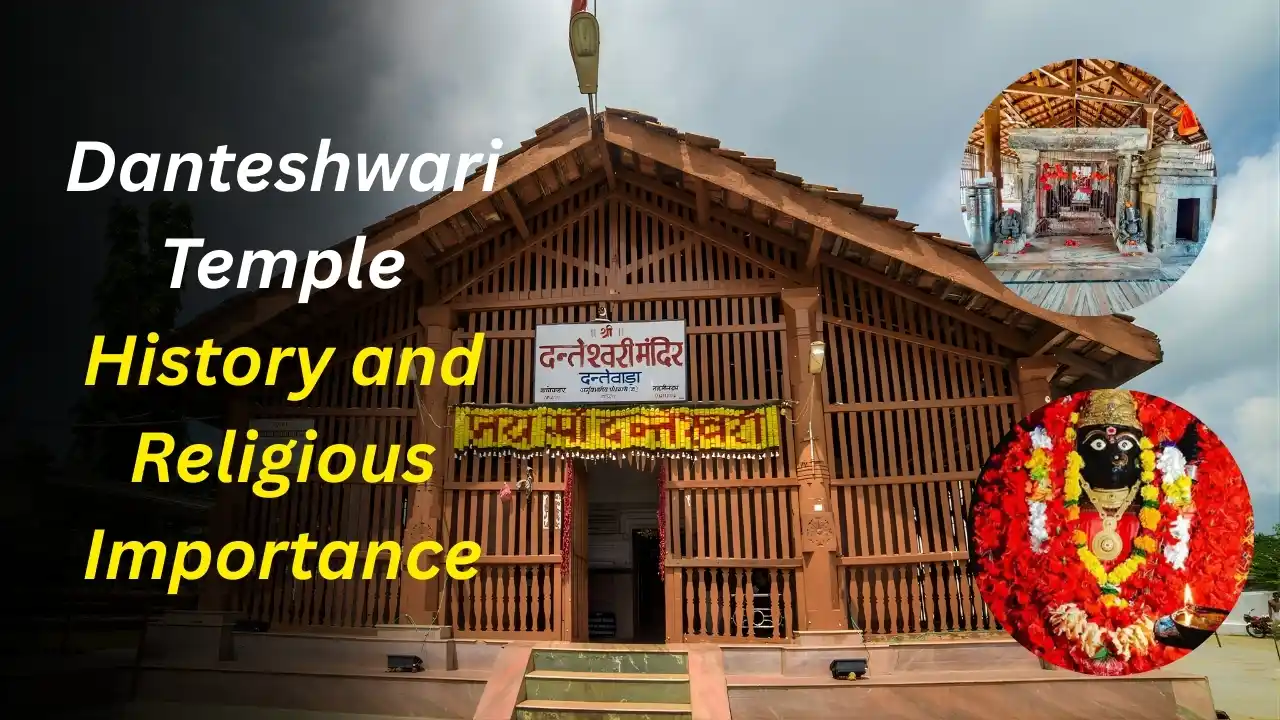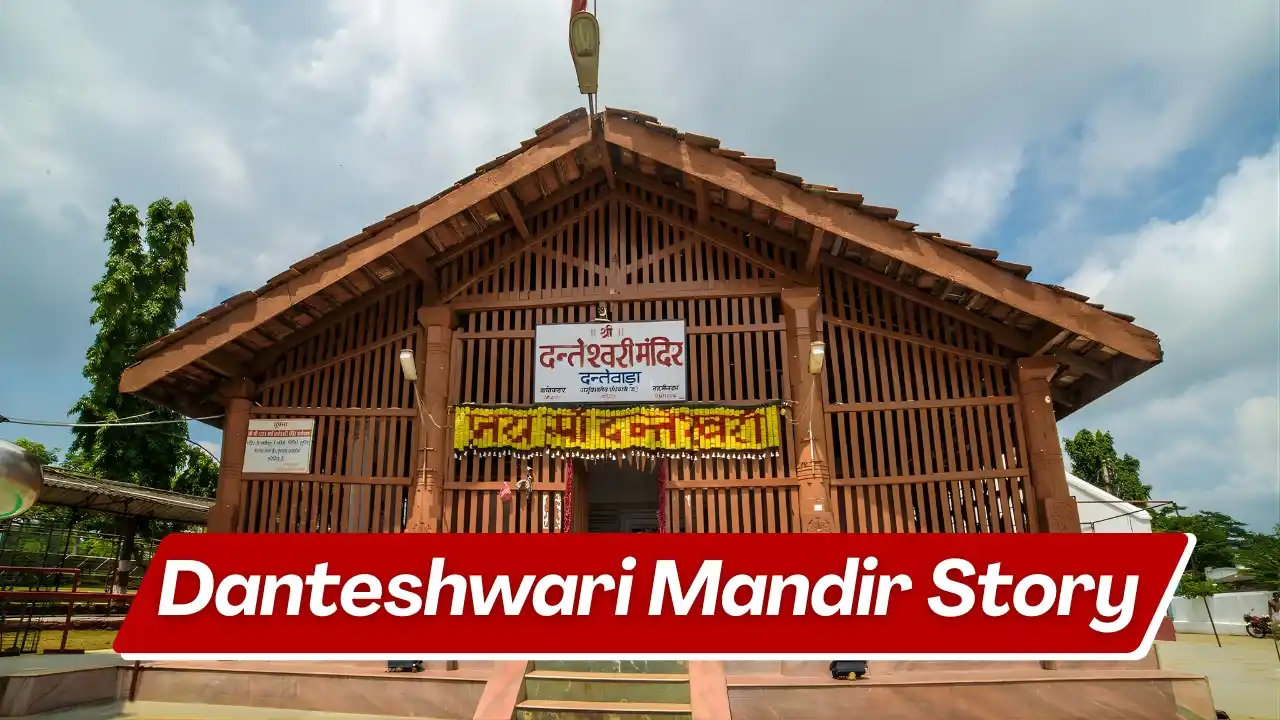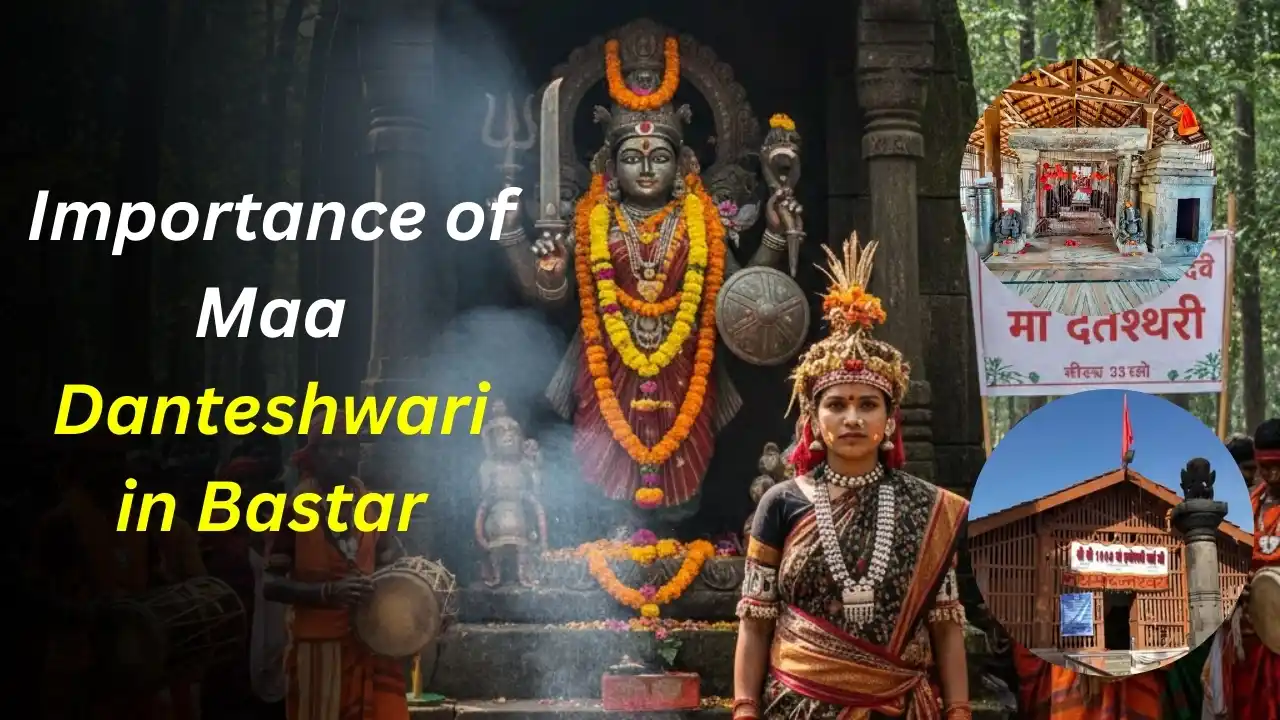
Maa Danteshwari holds a deeply respected and central position in the religious and cultural life of the Bastar and Dantewada region. Worshipped as a powerful form of Goddess Shakti, she is regarded as the guardian deity of the land. For centuries, the faith in Maa Danteshwari has shaped traditions, beliefs, and daily life across this region of Chhattisgarh.
Her importance goes beyond temple worship and is closely connected with the identity and unity of the local people.
Maa Danteshwari as the Protector of Bastar
Devotees believe that Maa Danteshwari protects the Bastar region from natural and spiritual challenges. She is seen as a divine force that safeguards the land, forests, and communities.
Many locals believe that the prosperity and continuity of Bastar are linked to the blessings of Maa Danteshwari. This belief has strengthened devotion over generations.
Spiritual Center of Dantewada
Dantewada is considered sacred primarily because of the presence of Danteshwari Mandir. The town itself derives its name from Maa Danteshwari, reflecting her deep influence on the region.
For residents of Dantewada, the temple is not just a place of worship but a spiritual center that guides social and cultural life.
Kuldevi of Bastar Rulers
Historically, Maa Danteshwari was worshipped as the Kuldevi, or family goddess, of the Bastar royal family. Important royal events, decisions, and celebrations were conducted under her divine presence.
This royal devotion enhanced the goddess’s status and ensured that temple traditions were preserved with discipline and respect.
Connection with Tribal Communities
Maa Danteshwari is equally revered by tribal communities of Bastar. Her worship blends seamlessly with local customs, making her accessible to people from all backgrounds.
Tribal rituals, fairs, and festivals often include prayers to Maa Danteshwari, showing how deeply her worship is woven into everyday life.
Role in Regional Festivals
Major festivals in Bastar, especially Dussehra and Navratri, revolve around Maa Danteshwari. During these festivals, the entire region comes together in devotion and celebration.
The Bastar Dussehra is unique and reflects centuries-old traditions centered around the goddess. These festivals strengthen community bonds and preserve cultural heritage.
Symbol of Unity and Faith
Maa Danteshwari unites people across social and cultural boundaries. Devotion to her creates a shared sense of belonging and spiritual connection.
This unity is one of the strongest reasons for her continued importance in the region.
Guidance in Personal and Social Life
Many devotees believe that Maa Danteshwari guides them in personal decisions, family matters, and community issues. People often seek her blessings before starting new ventures or resolving conflicts.
This belief makes her presence meaningful in both spiritual and practical aspects of life.
Cultural Identity of Bastar
The worship of Maa Danteshwari is an essential part of Bastar’s cultural identity. Art, folklore, and traditional practices often reference the goddess.
Her influence is visible in regional customs, songs, and celebrations.
Modern-Day Relevance
Even in modern times, Maa Danteshwari continues to be a source of inspiration and faith. People from urban and rural areas visit the temple seeking peace, protection, and strength.
Her worship remains relevant despite changing lifestyles and beliefs.
Conclusion
The importance of Maa Danteshwari in Bastar and Dantewada lies in her role as protector, guide, and unifying force. She is deeply embedded in the spiritual, cultural, and social fabric of the region.
Maa Danteshwari continues to watch over Bastar with divine strength and compassion, making her worship timeless and meaningful.