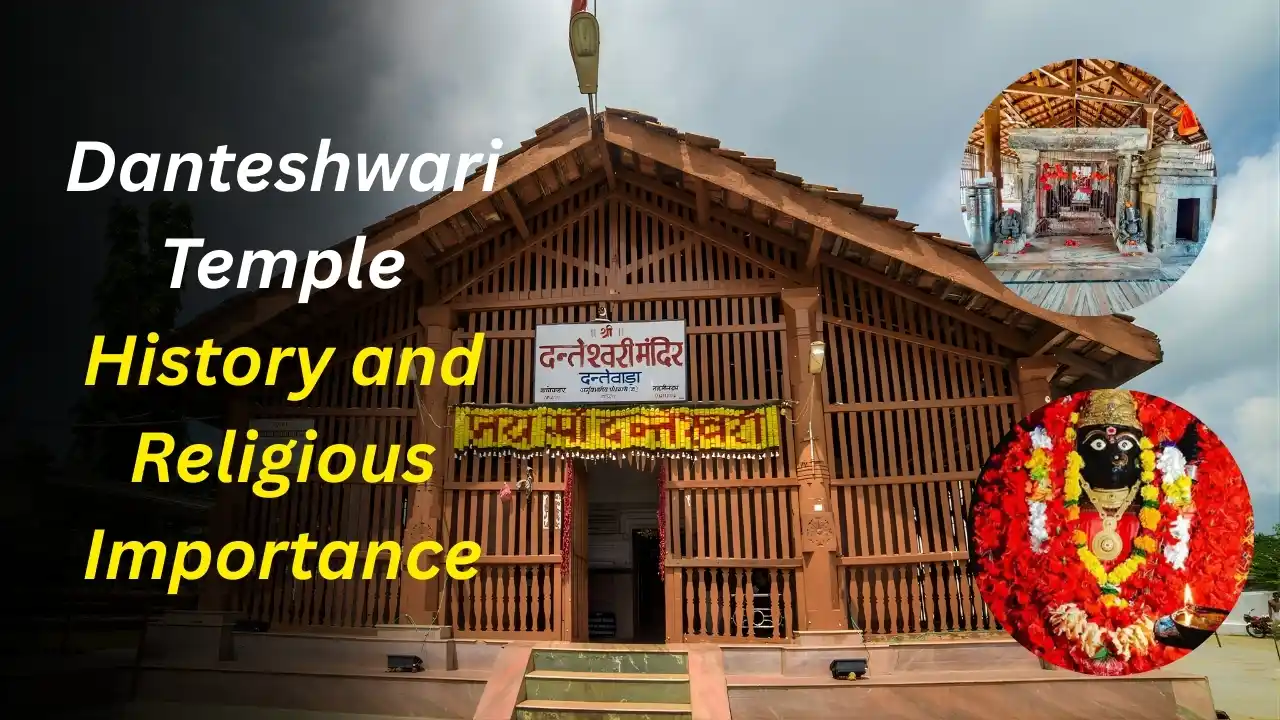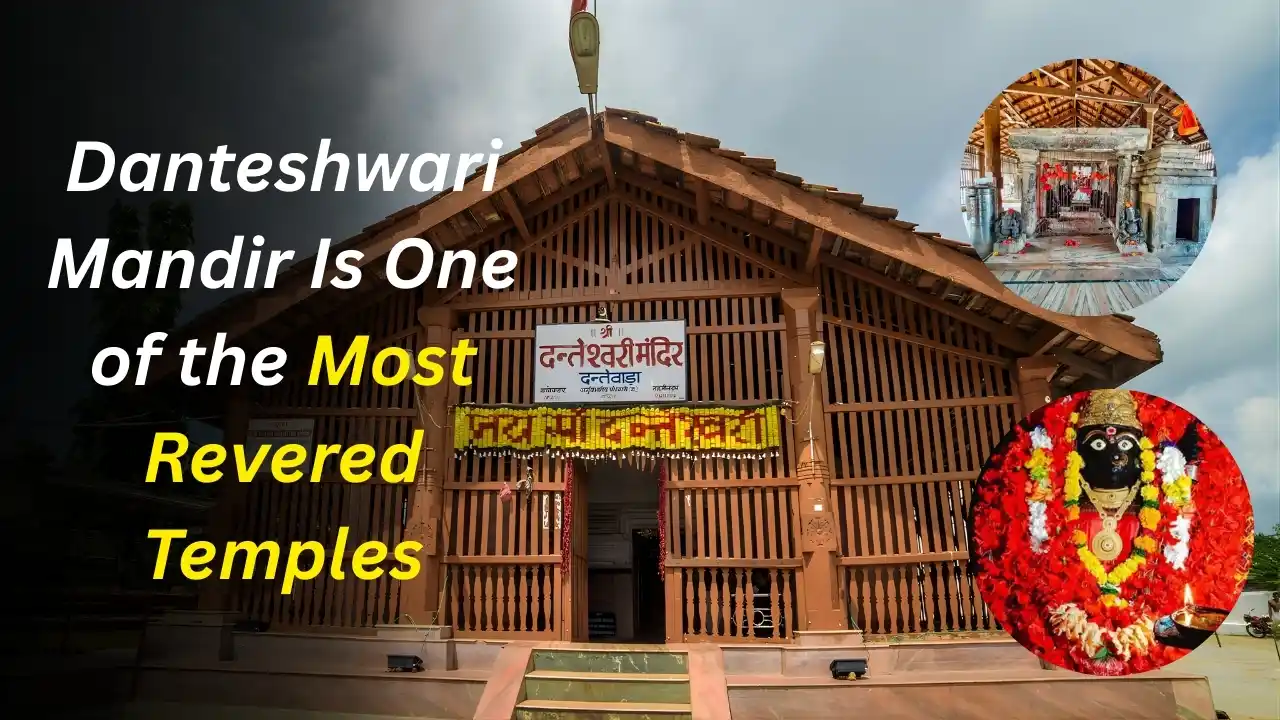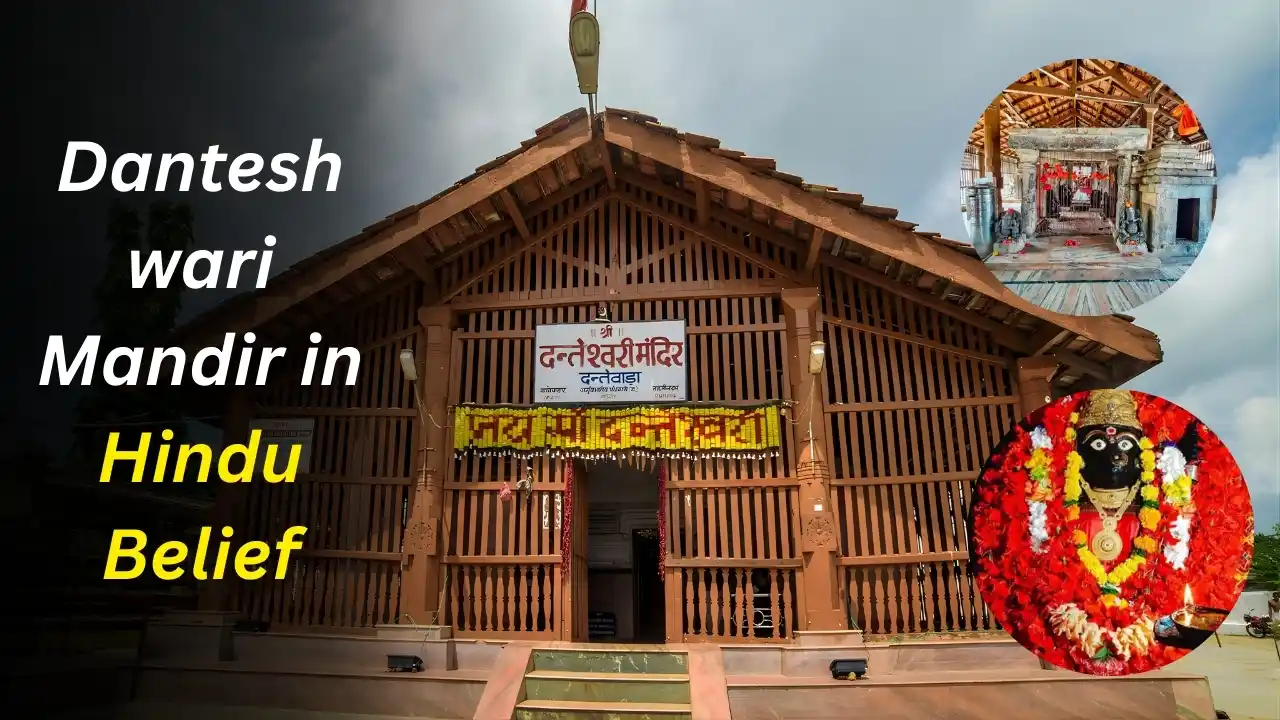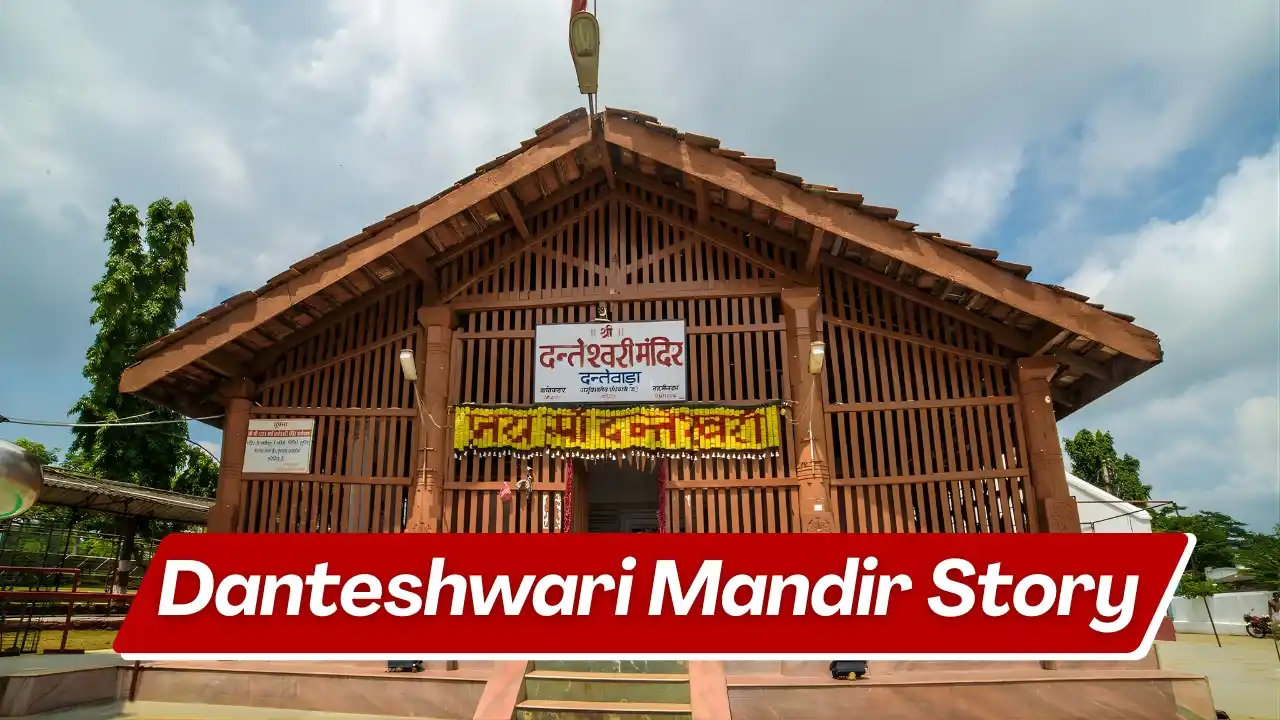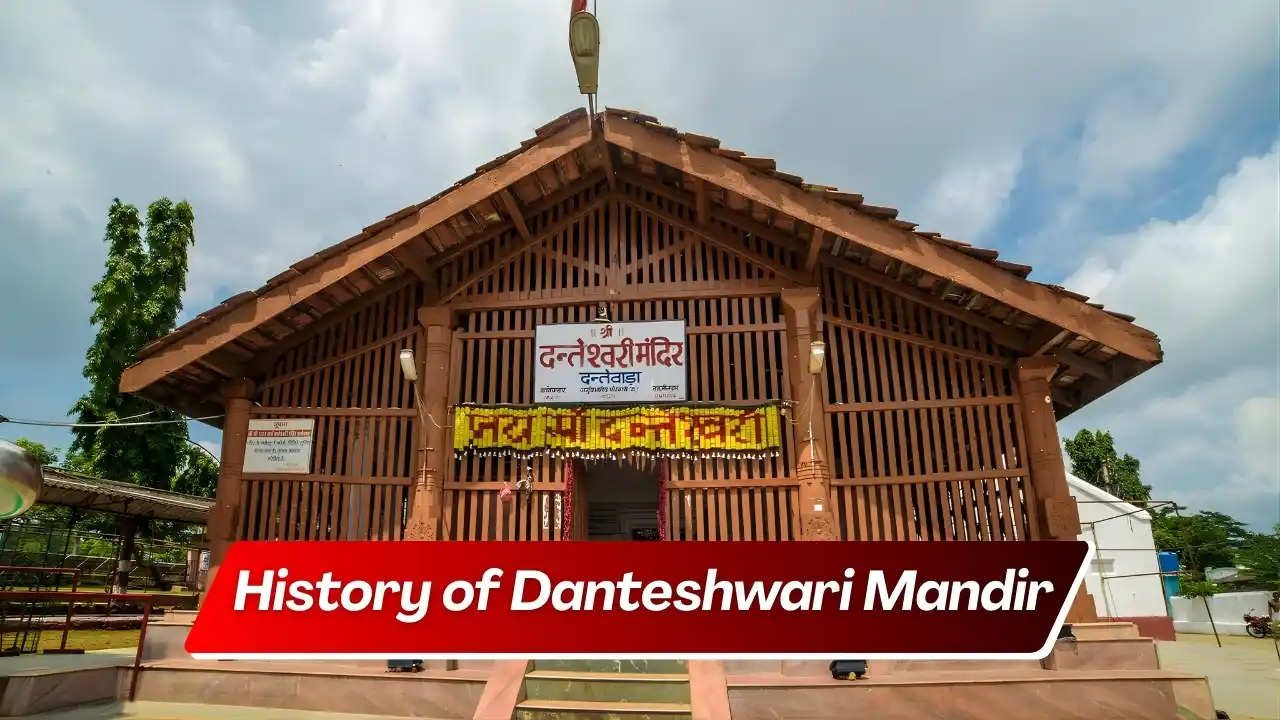
Danteshwari Mandir is one of the most revered Hindu temples in India and holds a special place in the spiritual and cultural heritage of Chhattisgarh. Located in Dantewada district, this ancient temple is dedicated to Maa Danteshwari, a powerful manifestation of Goddess Durga. For centuries, devotees from different parts of the country have visited this sacred site to seek blessings, strength, and spiritual peace.
The temple is widely believed to be one of the important Shakti Peeths, making it a major center of Shakti worship in central India. Its deep connection with mythology, tribal traditions, and regional history gives Danteshwari Mandir a unique identity among Indian temples.
Origin of Danteshwari Mandir
The origin of Danteshwari Mandir is closely linked to ancient Hindu mythology. According to traditional belief, when Goddess Sati sacrificed herself, Lord Shiva carried her body across the universe. During this divine journey, different parts of her body fell at various locations, which later became known as Shakti Peeths.
It is believed that the tooth of Goddess Sati fell at Dantewada, and this sacred event led to the establishment of Danteshwari Mandir. Because of this belief, Maa Danteshwari is worshipped as a supreme form of Shakti, symbolizing power, protection, and motherhood.
Who Built Danteshwari Mandir
Danteshwari Mandir is believed to have been built several centuries ago by the Kakatiya rulers, who once ruled the Bastar region. The temple served as the family deity shrine of the royal dynasty. Over time, the temple gained wider religious importance and became a major pilgrimage center for devotees across Chhattisgarh and neighboring states.
The rulers of Bastar played a significant role in preserving the temple traditions and ensuring regular worship. Even today, many rituals performed at the temple reflect ancient royal customs and regional traditions.
Historical Importance of the Temple
Historically, Danteshwari Mandir has been more than just a place of worship. It has acted as a spiritual center for tribal communities of Bastar, connecting faith with local culture. The temple has witnessed generations of devotion and continues to be an integral part of regional identity.
The city of Dantewada itself derives its name from Maa Danteshwari, showing how deeply the temple is rooted in local history. Over centuries, the temple survived natural challenges and historical changes while maintaining its religious significance.
Architecture and Temple Structure
The architecture of Danteshwari Mandir reflects traditional Hindu temple design combined with local artistic influences. Built with stone, the temple has a simple yet powerful structure that creates a deeply spiritual atmosphere.
Inside the sanctum, the idol of Maa Danteshwari is worshipped with great devotion. The temple complex also includes open spaces for rituals, gatherings, and festival celebrations. The calm surroundings add to the peaceful experience for devotees.
Spiritual Significance of Maa Danteshwari
Maa Danteshwari is considered a protector goddess who blesses devotees with courage, strength, and wisdom. She is especially revered by local communities, who see her as a guardian of the region.
Many devotees believe that sincere prayers offered at Danteshwari Mandir help remove obstacles, bring prosperity, and provide spiritual guidance. The temple is visited by people seeking both material well-being and inner peace.
Festivals and Religious Traditions
Danteshwari Mandir is at the heart of major religious celebrations in the Bastar region. Navratri and Dussehra are celebrated with great devotion and enthusiasm. During these festivals, special rituals, processions, and cultural events take place in and around the temple.
The Dussehra celebration in Bastar is unique and deeply connected with Maa Danteshwari. It reflects a blend of devotion, tribal traditions, and ancient customs, making it one of the most distinctive religious events in India.
Role in Bastar Culture
The temple plays a vital role in preserving the spiritual and cultural traditions of Bastar. It serves as a meeting point where faith, history, and tribal heritage come together. Many local customs, fairs, and rituals revolve around the worship of Maa Danteshwari.
For the people of Bastar, the temple is not only a religious site but also a symbol of identity, unity, and continuity.
Why Danteshwari Mandir Is a Shakti Peeth
Danteshwari Mandir is regarded as a Shakti Peeth due to its mythological association with Goddess Sati. This belief elevates the temple’s spiritual status and attracts devotees who follow Shakti worship.
The energy felt by visitors, combined with centuries of continuous worship, strengthens the belief that this temple is a powerful spiritual center where divine presence can be experienced.
Conclusion
The history of Danteshwari Mandir is a blend of mythology, royal patronage, and deep-rooted devotion. As one of the most sacred temples in Chhattisgarh, it continues to inspire faith and spirituality among millions of devotees.
Danteshwari Mandir stands as a timeless symbol of Shakti, devotion, and cultural heritage, making it a must-visit spiritual destination for anyone seeking divine blessings and historical depth.